More useful resources

Haritaki Powder for Weight Loss: Does It Really Work?

5 Best Herbal Powders for Everyday Wellness

How Haritaki Helps in Detoxification: Ayurvedic Perspective

Benefits of Haritaki Powder for Digestion & Gut Health | MyForest

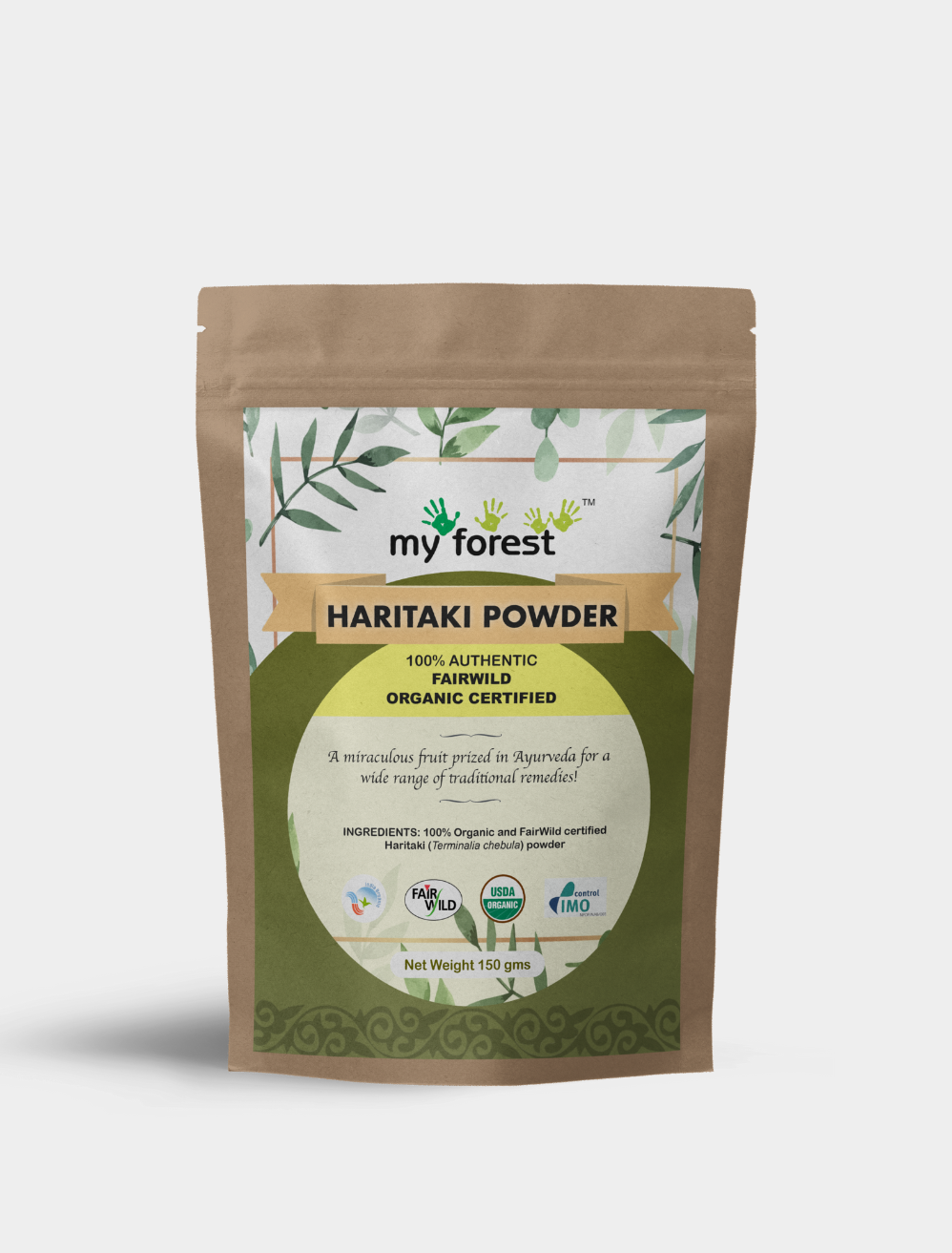
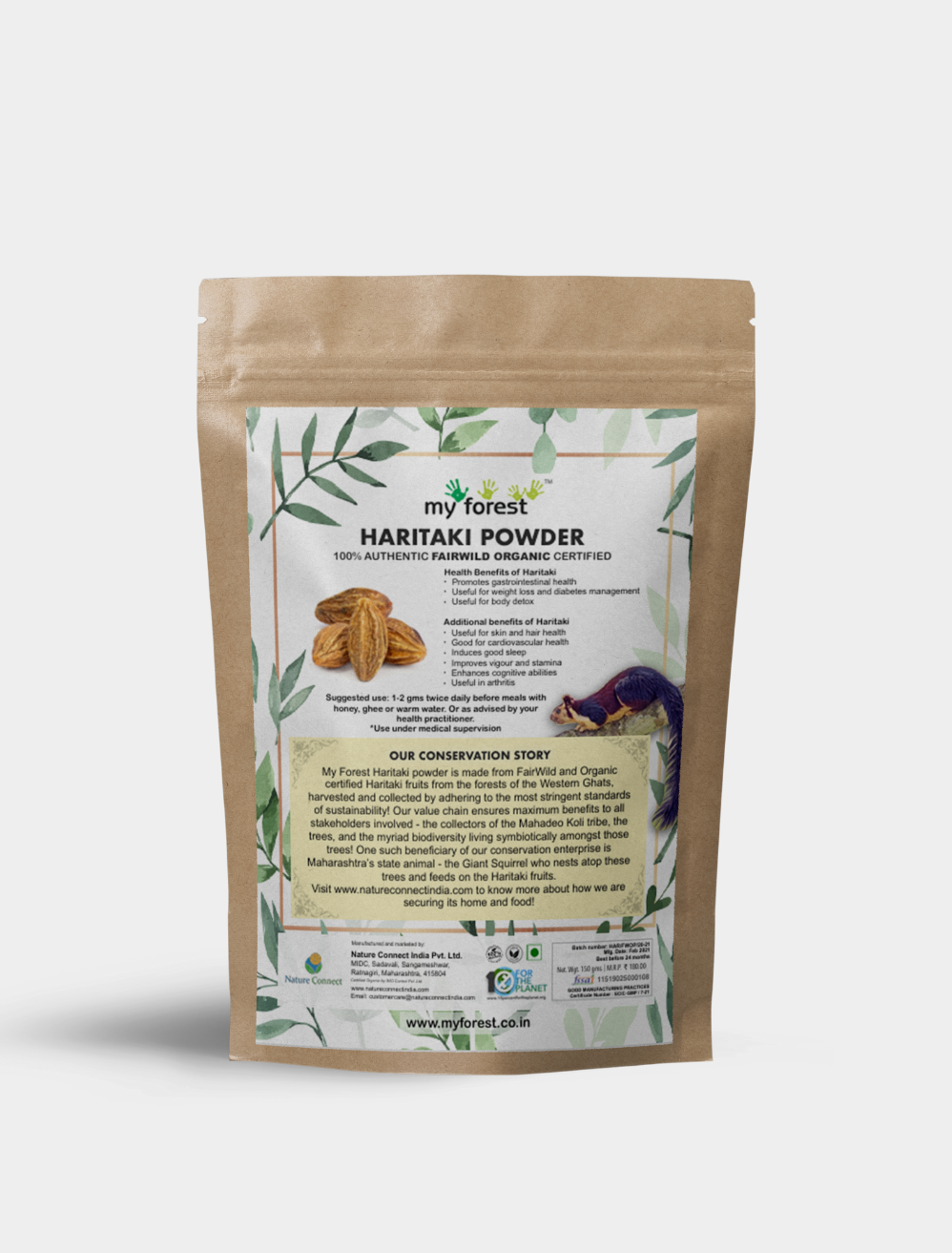
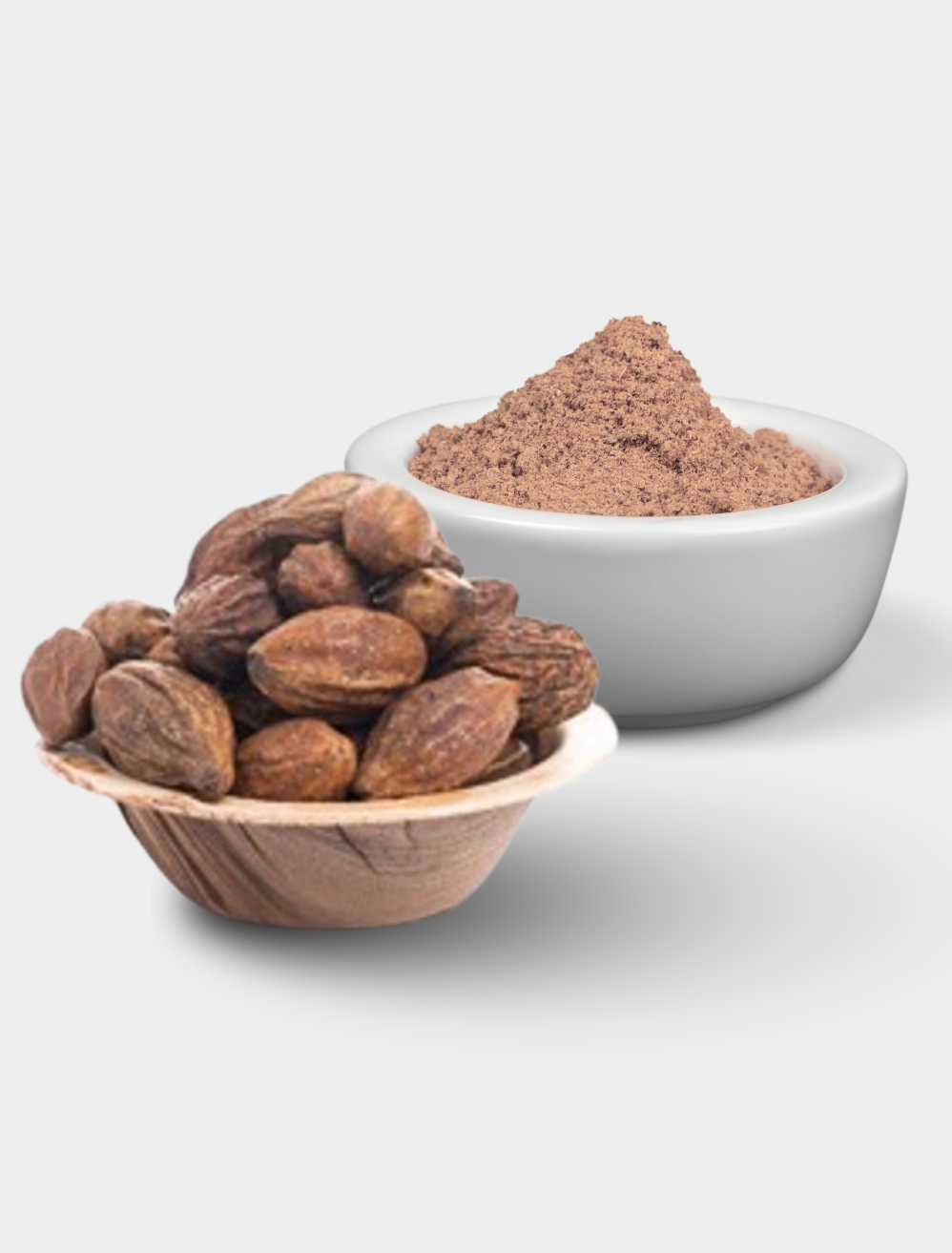
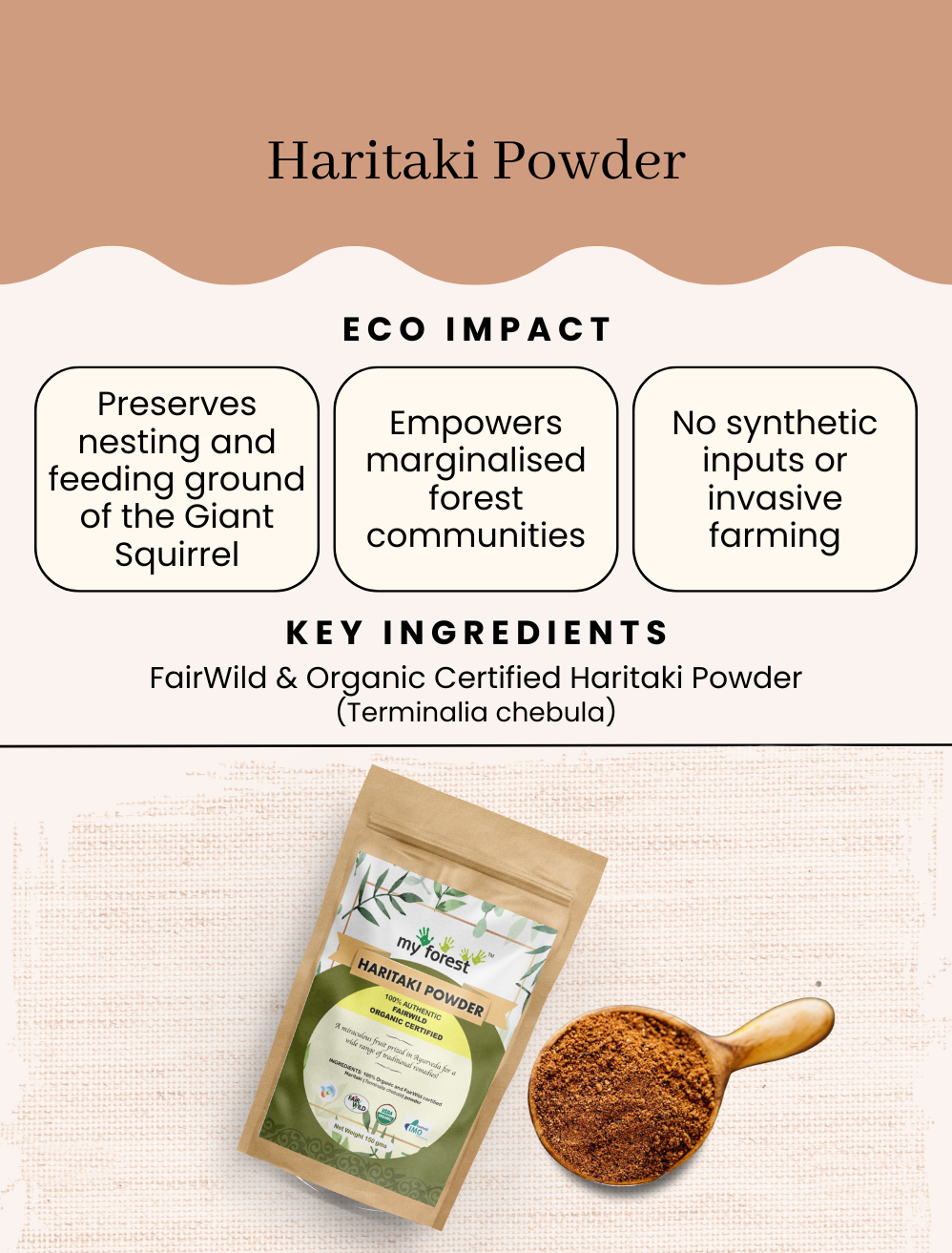
Haritaki Powder: What It Is & Its Amazing Benefits

What Is a Superfood? Most Nutrient-Rich Foods
Have you ever come across the word “superfood” and wondered what actually makes a food super? It sounds exciting, almost magical, but the truth is much simpler and much more natural.
Superfoods are not special because of fancy marketing. They’re special because nature designed them to be incredibly nutrient-dense. And many of these powerful foods come straight from forests, farms, and local ecosystems, just like the ingredients we love at MyForest.
Let’s break it down!
What Exactly Is a Superfood?
A superfood is a natural food that contains a high concentration of nutrients, such as:
- vitamins
- minerals
- antioxidants
- healthy fats
- fibre
- plant compounds like flavonoids or phenols
There’s no official scientific definition, but the idea is easy. These nutrients support your overall wellness from immunity and digestion to skin and energy levels.
Think of superfoods as nutrient-rich powerhouses that offer more good stuff per bite than most regular foods.
Why Do We Call Them “Super”?
Here’s the truth:
Superfoods don’t make you instantly healthy or cure diseases. But they do offer exceptional nutrition compared to everyday foods.
They’re called super because they:
✔ Provide a high density of nutrients
✔ Support natural immunity
✔ Offer antioxidant protection
✔ Fit beautifully into a balanced lifestyle
✔ Often come straight from nature with minimal processing
In short: they’re simple foods with powerful benefits.
Common Examples of Superfoods
Many superfoods are things you already know, and some are ingredients we celebrate at MyForest because of their deep forest connection.
1. Forest-Derived Superfoods
- Mahua (flowers, seeds, oil)
- Jamun seed
- Bael fruit
- Moringa
- Wild honey

These foods have been used in traditional wellness for generations and are naturally rich in antioxidants and phytonutrients.
2. Everyday Superfoods
- Leafy greens (spinach, kale)
- Berries
- Seeds (chia, flax, pumpkin)
- Nuts (almonds, walnuts)
- Whole grains (quinoa, millets)
- Turmeric and ginger

These offer essential vitamins, fibre, healthy fats, and natural plant compounds.
Benefits of Superfoods
While no single food can transform your health overnight, regularly including superfoods in your diet may help:
1. Support Immunity
Their antioxidants help defend your body from oxidative stress.
2. Improve Digestion
Superfoods like seeds, fruits, and greens offer essential fibre.
3. Boost Energy Naturally
Nutrient-dense foods help maintain steady energy levels without crashes.
4. Support Skin Health
Healthy fats and antioxidants help maintain glowing, nourished skin.
5. Reduce Inflammation
Ingredients like turmeric, moringa, and berries contain natural anti-inflammatory compounds.
What Superfoods Can’t Do
To keep it realistic:
❌ They don’t cure diseases
❌ They don’t replace meals or medicine
❌ They don’t work if your overall diet is poor
Superfoods work best when combined with:
- a balanced diet ✔
- regular movement ✔
- good sleep ✔
- hydration ✔
- a healthy lifestyle ✔
How to Add Superfoods to Your Daily Life
Modern life is busy, but adding superfoods doesn’t have to be difficult.
✔ Morning
Add moringa powder or seeds to your smoothie, tea, or breakfast bowl.
✔ Afternoon
Swap refined snacks for nuts, fruits, or seed mixes.
✔ Evening
Include leafy greens, whole grains, or forest-derived oils (like Mahua oil for cooking) in your meals.
✔ Anytime
Enjoy herbal blends like Bija Tea, Jamun seed mixes, or antioxidant-rich infusions.
Small daily choices = big long-term benefits.
Superfoods are simply nature’s most nutrient-rich gifts.
They’re not magic, they’re wholesome, powerful, and deeply rooted in traditional wellness.
At MyForest, we believe in celebrating foods that are pure, unprocessed, and sourced responsibly from nature. Superfoods are a beautiful reminder that the best nourishment still comes straight from the earth.
FAQs
Q1: Are superfoods regulated by health authorities?
No. “superfood” is not a legally regulated or scientifically defined category.
Q2: Can I just eat superfoods and skip other foods?
Not a great idea. While superfoods are nutrient-rich, they can’t provide everything. A balanced, varied diet is still key.
Q3: Which superfood is the best?
There’s no one best superfood — different foods offer different benefits. It’s better to include a mix (berries + greens + seeds + whole grains) than rely on just one.
Q4: Are superfoods expensive?
Some are (especially exotic ones), but many superfoods are really common vegetables or seeds. Plus, their “super” benefit comes more from regular inclusion than buying premium versions.
Q5: Can superfoods prevent diseases?
Superfoods may support health (like reducing inflammation or bolstering immunity), but they are not a guaranteed disease-prevention tool. Think of them as part of a healthy lifestyle.